Blue Sky Restoration serves McLeod in the Boulder River valley, Sweet Grass County, with 24/7 water damage restoration and cleaning. Family owned and based in Livingston, we handle water extraction, flood and sewage cleanup, fire, smoke, and mold, plus carpet, upholstery, and tile cleaning for ranches, cabins, and remote homes. We answer any hour and work with your insurance.
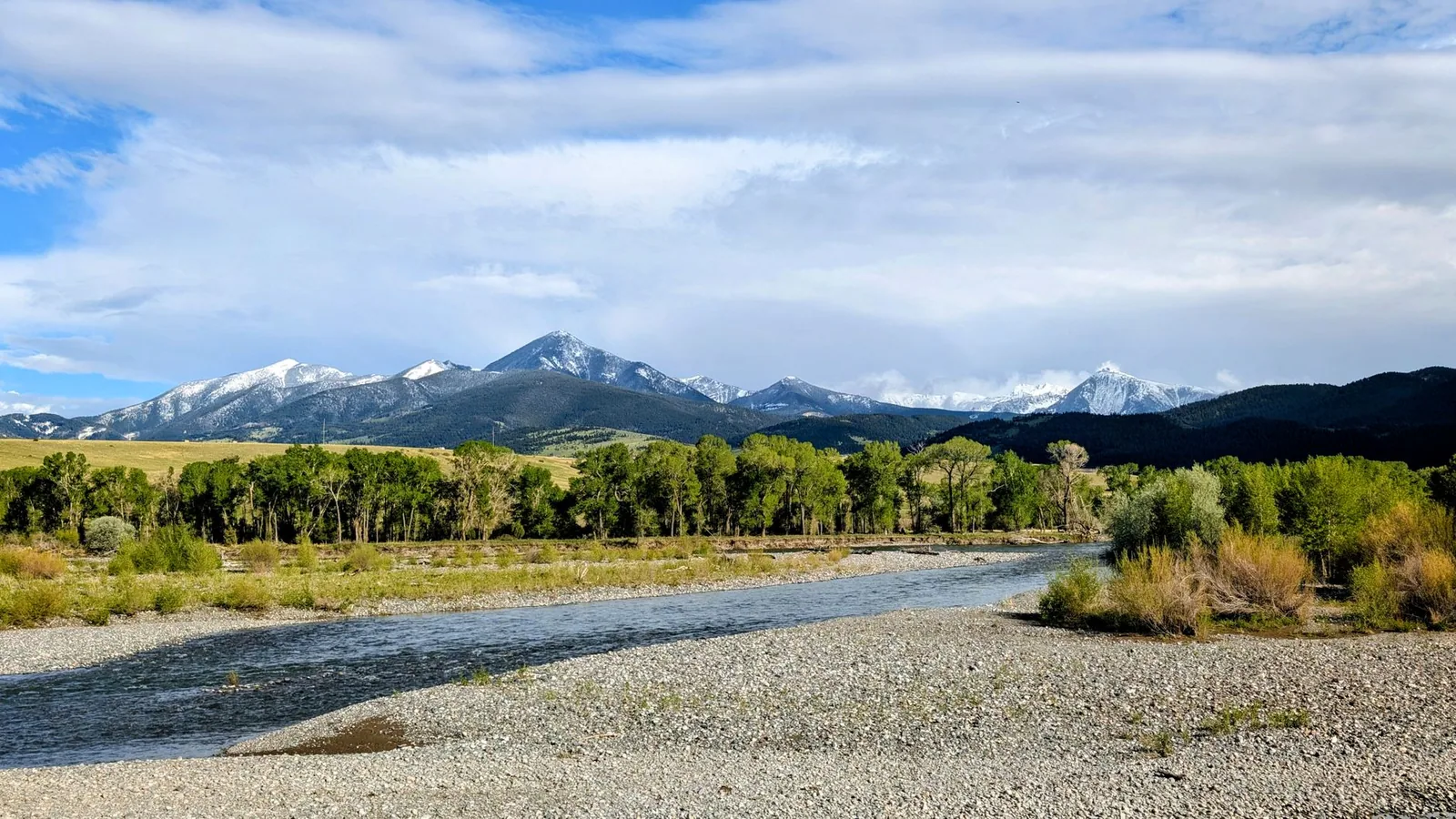
McLeod is a small community up the Boulder River valley southwest of Big Timber, in Sweet Grass County, where the West Boulder and Boulder rivers come together. It is remote ranch and cabin country, the kind of place where A River Runs Through It scenery meets working ranches and getaway homes, and the water problems here run to snowmelt, hard winters, and rural systems on properties well off the highway.
We are a family owned crew based in Livingston. McLeod is a real haul up a mountain valley, and we make the drive. When you call, you get people who show up, explain the plan, and work with your insurance.
The Boulder River and mountain snowmelt
The Boulder River flows north out of the mountains past McLeod, and spring snowmelt off the high country swells it fast. That runoff raises the water table and can push water into basements, crawlspaces, and low ground near the river. Homes tucked in the valley can take on water once the snow comes off the peaks.
We extract standing water, dry the structure, and treat for the mold that follows any wet basement. If it is river water, we handle the contamination and remove materials that cannot be saved.
Remote ranches and cabins
The McLeod area is remote, with ranches and cabins spread up the Boulder valley on wells and septic, many set well off the main road. A leak or a septic backup in a place like this can run a good while before anyone notices, turning a small problem into a big one. We come out to these properties and handle the full job.
Being far up a mountain valley does not put you out of reach. We serve this country and see the work through.
What we run into in McLeod
- McLeod sits up the Boulder River valley southwest of Big Timber, where the West Boulder meets the Boulder, in Sweet Grass County.
- The area's scenery appeared in A River Runs Through It and The Horse Whisperer.
- Spring snowmelt swells the Boulder River fast and raises the water table into valley homes.
- Remote ranches and cabins on wells and septic can see leaks and backups that run undetected.
- It is a real haul up a mountain valley, but we make the drive and answer the phone 24/7.
Hard winters and frozen pipes
Winters up the Boulder are long and cold, and many of the cabins and getaway homes here sit empty for parts of the year. That is a frozen pipe waiting to happen. A line freezes in an empty cabin, splits, and floods until a neighbor or caretaker finds it.
Keep the heat on if you leave a place here, and have someone check it. If a pipe bursts, call us. We extract, dry, and document the loss for your insurance claim.
We make the drive up the Boulder
McLeod is one of the more remote spots we serve, and that distance keeps a lot of outfits away. Not us. We answer the phone around the clock and make the drive up the valley, because being far from town is exactly when you want a company that will actually come.
Beyond emergencies we clean too, carpet and upholstery, spot and stain and pet odor treatment, and tile and grout cleaning and sealing, the same careful work on your floors.
Documenting a remote loss for your claim
When a home floods this far up the Boulder valley, good documentation is worth even more, since you may be handling the claim from elsewhere. We photograph the damage, log moisture readings, note affected materials, and keep a record of the drying from start to finish so your adjuster has what they need.
We work directly with your insurance and bill the claim so you are not carrying the whole cost up front. We will not invent policy specifics, but we handle the documentation and adjuster communication, which matters most on a remote property where an owner or caretaker cannot be there for every step. That record follows the job from the day we arrive to the day the structure reads dry, so nothing about the loss is left to memory or guesswork.